
Repair or Replace Your Water Heater? Decision Guide
Should you repair your water heater or invest in a replacement in Harrisonburg, VA? If your tank is under 8 years old with a component failure, repair it. If it is over 10 years old, leaking from the base, or scaled with limestone, replace it.
- The 50% Rule and Water Heater Age in the Shenandoah Valley
- When a Water Heater Repair Is the Smarter Financial Choice
- Non-Negotiable Scenarios Where Water Heater Replacement Is Mandatory
- The Valley Karst Hard Water Factor: Why Heaters Fail Faster Here
- Modern Energy-Efficient Upgrades: Standard Tanks vs. Tankless
- Virginia Building Code Requirements for Water Heater Replacement
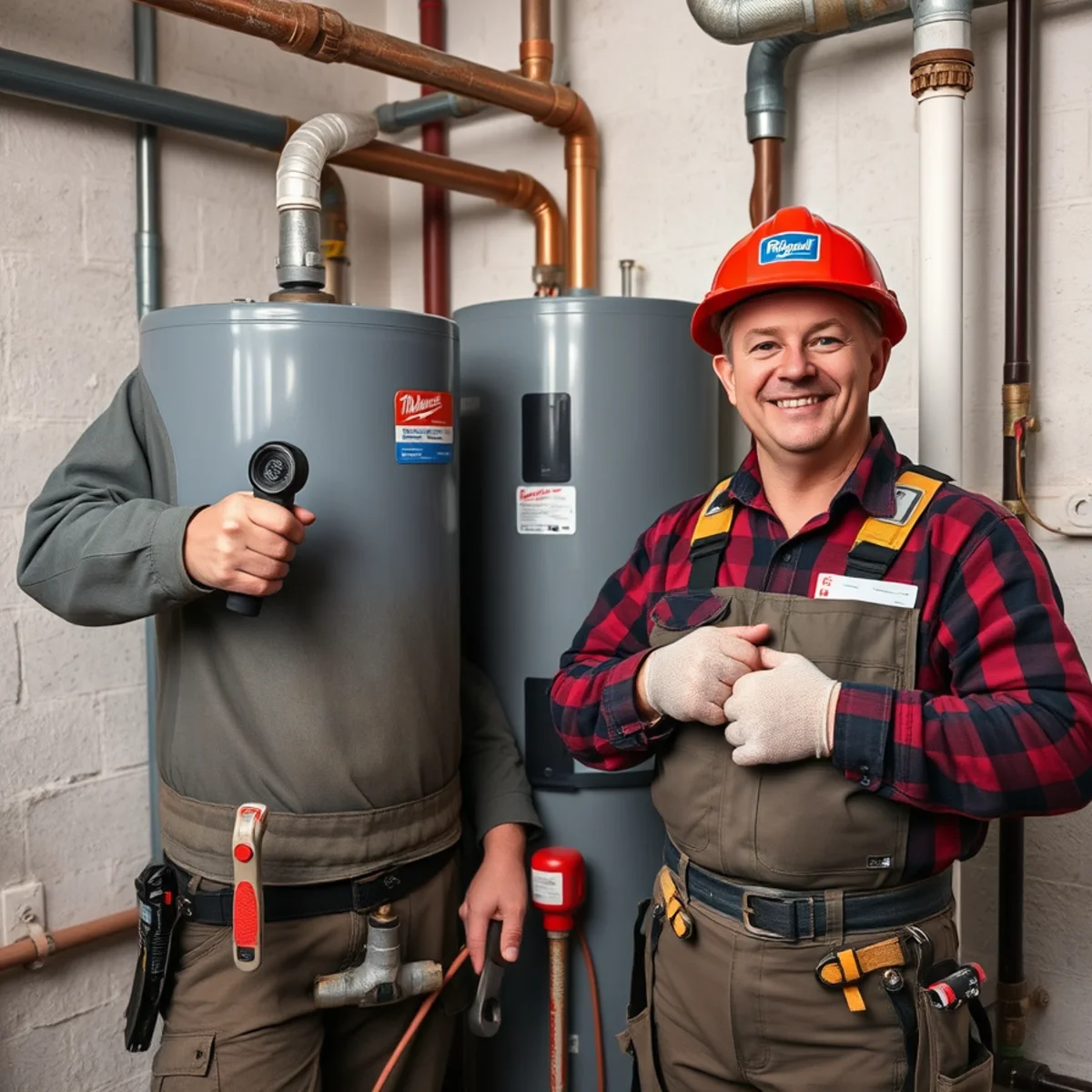
The 50% Rule and Water Heater Age in the Shenandoah Valley
When hot water suddenly turns lukewarm or cold, homeowners face a critical financial dilemma: spend a few hundred dollars on a repair or invest in a new energy-efficient water heater. A proven benchmark used by master plumbers is the 50% Rule: If your water heater is more than 8 years old and the proposed repair cost exceeds 50% of the cost of a brand new unit installed, replacement is the more economical long-term decision.
- Under 6 Years Old (Almost Always Repair): The internal steel tank and glass lining are typically in good condition; component failures (heating elements, thermostats, or valves) are inexpensive to replace.
- 6 to 10 Years Old (Evaluate Carefully): Weigh repair estimates against remaining expected lifespan, especially if the tank has never been flushed to remove hard water sediment.
- Over 10 to 12 Years Old (Strongly Recommend Replacement): Standard tank water heaters have an average design lifespan of 8 to 12 years in Harrisonburg; spending money on an aging tank risks catastrophic rupture within months.
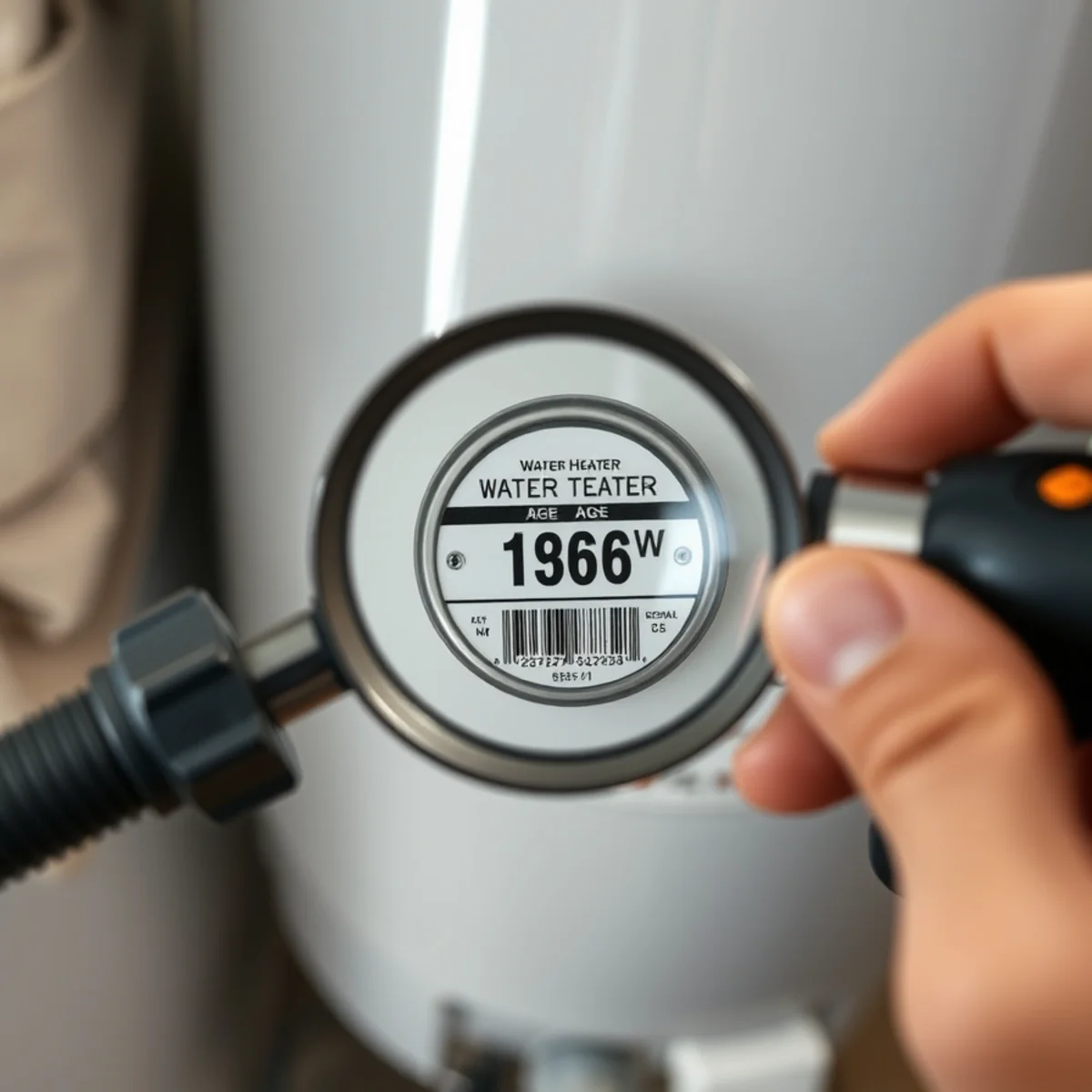
- How to Decode Your Tank's Age: Locate the manufacturer rating plate on the side of the tank. Find the serial number; on Bradford White, Rheem, and A.O. Smith units, the first two or four digits reveal the month and year of manufacture.
Facing a Plumbing Issue in Harrisonburg?
Speak directly with Héctor for honest trade advice, upfront flat-rate pricing, and fast local dispatch across Rockingham County.
Call Héctor: (512) 988-5119When a Water Heater Repair Is the Smarter Financial Choice
Many water heater issues involve external, serviceable mechanical and electrical parts rather than a failure of the steel pressure vessel itself. If the tank is structurally sound and dry around the base, targeted component repairs provide years of reliable service.
- Burned-Out Heating Elements ($150 – $300): Electric units feature upper and lower 4,500-watt heating elements. A burned-out element causes lukewarm or quickly depleted hot water and can be replaced in less than an hour.
- Faulty Thermostats or High-Limit Switches ($120 – $250): Malfunctioning thermostats fail to signal elements or trip the red emergency reset button repeatedly.
- Temperature & Pressure (T&P) Safety Valve Weeping ($150 – $225): If the T&P valve is dripping from mineral scale buildup, threading in a new brass relief valve restores essential safety.
- Dripping Dielectric Nipples or Flex Connections: Leaking cold intake or hot outlet supply connections on top of the tank can be resealed or replaced without touching the tank.
- Depleted Sacrificial Anode Rod ($175 – $275): Replacing a worn magnesium anode rod in a 4- to 6-year-old tank renews internal corrosion defense and doubles tank lifespan.
Non-Negotiable Scenarios Where Water Heater Replacement Is Mandatory
Attempting to repair a water heater with a compromised pressure vessel is dangerous and financially wasteful. When the core structural integrity fails, immediate replacement is required.
- Water Weeping from the Bottom Seam: If water is pooling beneath the tank casing or leaking through the combustion chamber, the internal steel tank has corroded through. Steel water heater tanks cannot be patched, welded, or epoxied.
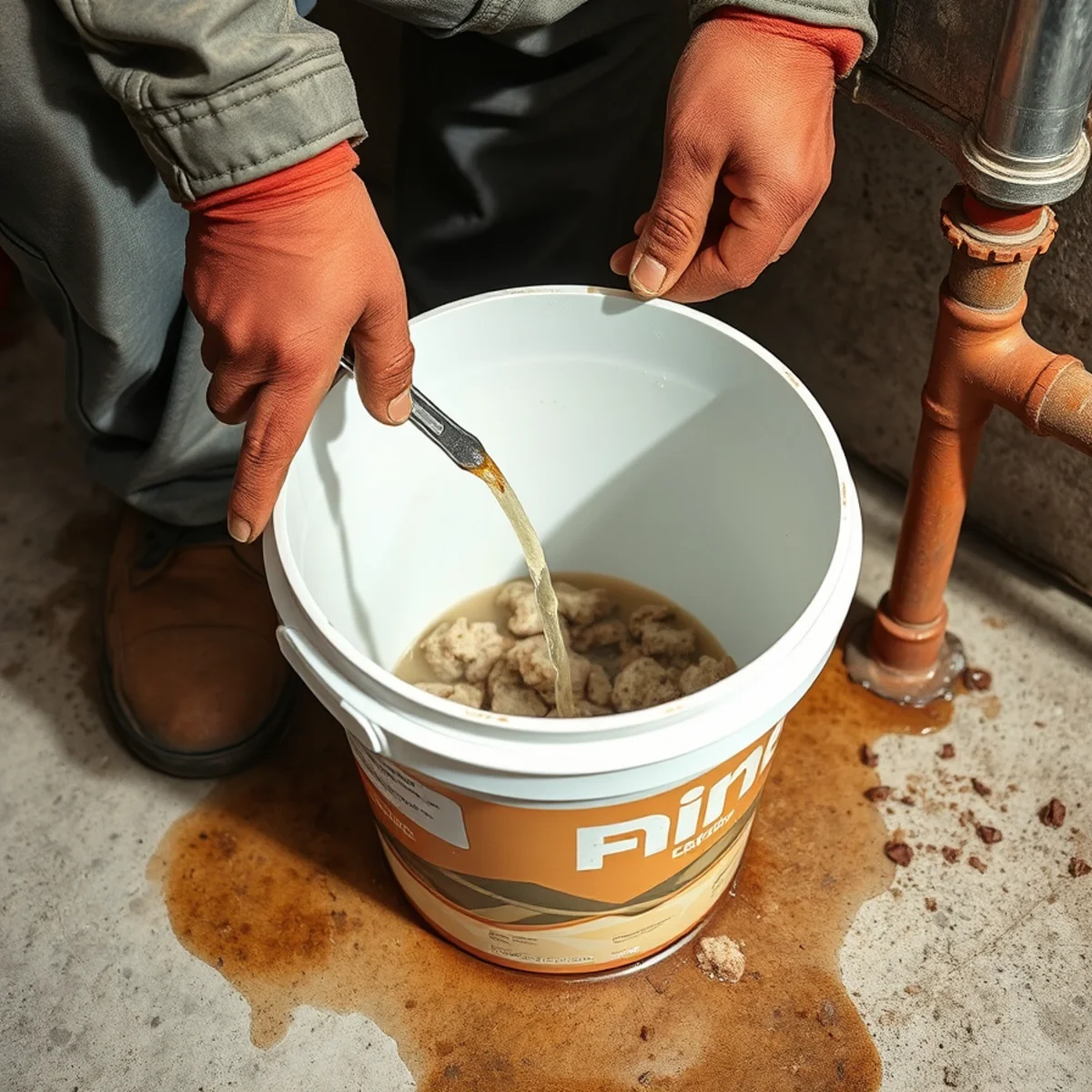
- Rusty or Discolored Hot Water: If hot water runs brown or reddish-yellow while cold water remains crystal clear, the interior glass lining has cracked and the steel tank is actively dissolving from within.
- Severe Mineral Scale Solidification: In Harrisonburg, calcium carbonate forms thick, hardened sheets of rock at the bottom of the tank. Once sediment hardens past a certain point, it cannot be flushed, causing severe overheating and element burnout.
- Popping, Banging, or Rumbling Sounds: Loud kettle-like noises indicate trapped steam boiling violently beneath sediment, placing extreme cyclic pressure fatigue on bottom welds.
The Valley Karst Hard Water Factor: Why Heaters Fail Faster Here
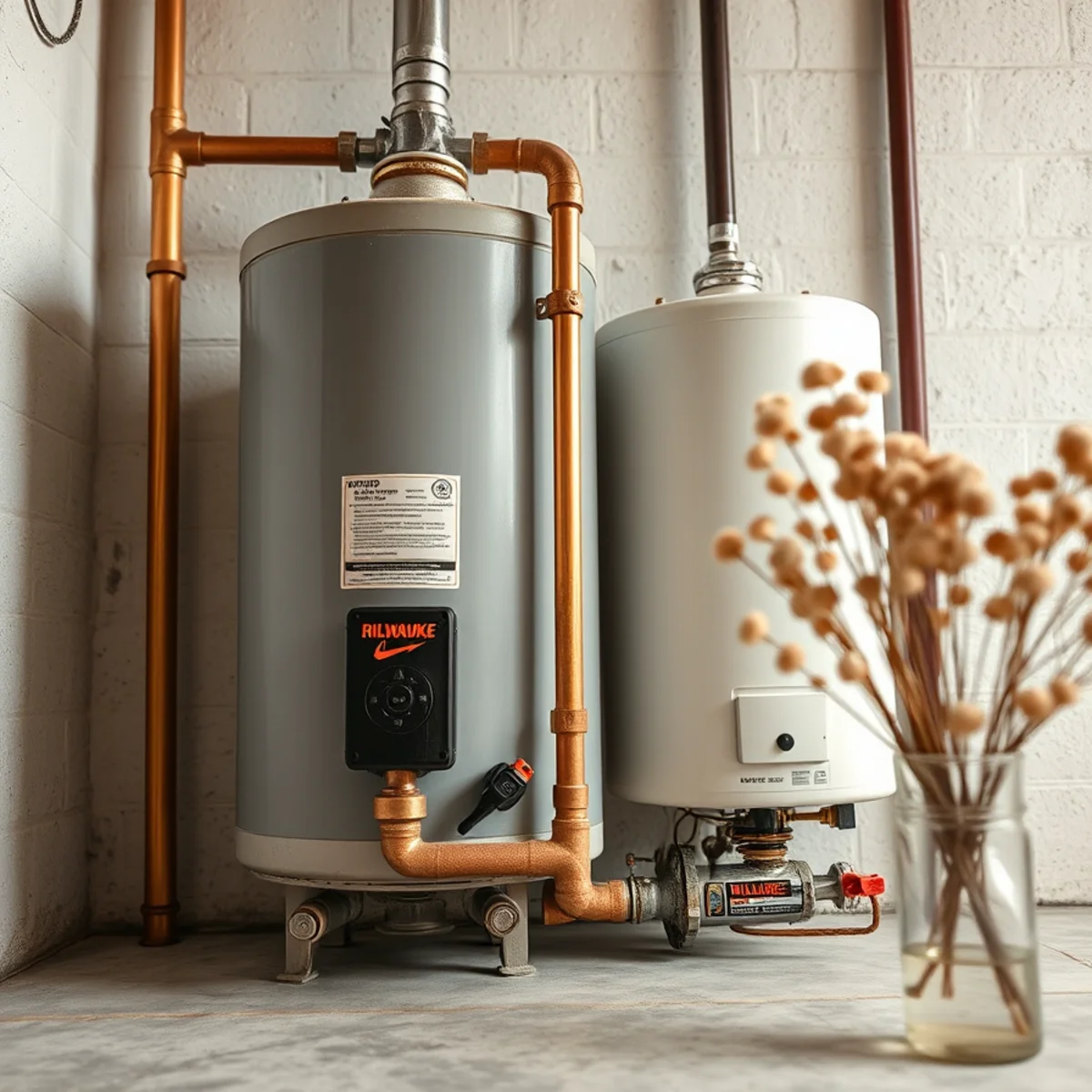
Understanding why water heaters fail in Harrisonburg and Rockingham County requires looking at our regional water source. Whether you receive municipal water from the North River or draw from a private limestone well, water hardness directly accelerates equipment degradation.
- Extreme Hardness (12 to 25 GPG): Water carrying 200 to 400+ parts per million of dissolved limestone precipitates heavy calcium carbonate when heated past 125°F.
- Insulating Sediment Blankets: In gas water heaters, calcium blankets the bottom steel head, trapping burner heat and scorching the metal until the weld seam splits.
- Premature Anode Consumption: Highly conductive hard water consumes sacrificial anode rods in 3 to 4 years instead of the national average of 6 to 8 years, leaving the tank unprotected.
- The Water Softener Solution: Installing a whole-house ion-exchange water softener removes calcium and magnesium before water reaches the heater, extending water heater lifespan from 8 years to 15+ years.
Modern Energy-Efficient Upgrades: Standard Tanks vs. Tankless
When replacement becomes necessary, homeowners can choose between proven commercial-grade storage tanks and modern on-demand tankless technology.
- Bradford White Atmospheric Storage Tanks: Made in America, Bradford White units feature the Hydrojet® Total Performance System, which swirls incoming cold water to keep sediment in suspension and prevent limestone buildup.
- Navien / Rinnai Condensing Tankless Units: Tankless systems eliminate the 50-gallon water reservoir entirely, heating water on demand through commercial copper and stainless heat exchangers. They never run out of hot water, take up zero floor space, and reduce water heating energy costs by 20% to 30%.
- Hybrid Heat Pump Water Heaters: High-efficiency electric heat pump units utilize ambient basement heat, operating at up to 300% efficiency and qualifying for substantial federal tax credits and utility rebates.
Virginia Building Code Requirements for Water Heater Replacement
Under the Virginia Uniform Statewide Building Code (USBC), water heater installations must adhere to critical safety mandates.
- Mandatory Thermal Expansion Tank: In closed municipal water systems (equipped with check valves or backflow preventers), an ASME-approved thermal expansion tank is required by code to absorb expanding water volume.
- Approved Drain Pan & Discharge Line: Water heaters installed over finished living areas or basements must feature a watertight drain pan with a 3/4-inch PVC drain line routed to an approved floor drain or exterior termination.
- City Permitting & Professional Installation: Héctor Plumbing Solution handles all required trade permits and inspections through the City of Harrisonburg and Rockingham County, guaranteeing full compliance.
Master plumber with over 15 years experience diagnosing water leaks, well pump systems, water heaters, and sewer lines across Harrisonburg and Rockingham County, Virginia.
Related Plumbing Services
Related Service Communities
Trusted by Homeowners Across the Shenandoah Valley
Frequently Asked Questions: Repair or Replace Your Water Heater? Decision Guide
How can I tell if my water heater is leaking or just producing condensation?
Wipe up the moisture thoroughly with dry towels and inspect the tank. In gas water heaters, filling an empty tank with very cold water can cause temporary condensation to drip from the flue pipe. However, if water continues to pool around the base after the water heats up, you have an active leak that requires professional inspection.
Can I patch a small pinhole leak in my water heater tank with epoxy?
No. Water heater tanks operate under 40 to 80 PSI of constant pressure and expand and contract during heating cycles. Epoxies, solder, and mechanical clamps cannot withstand these thermal and pressure dynamics; attempting to patch a pressurized tank creates severe flood and scalding risks.
How much can I save on utility bills by replacing an old water heater?
Replacing a 12-year-old standard tank water heater with a modern ENERGY STAR® rated unit or tankless system typically saves $100 to $250 annually on electric or natural gas utility bills due to superior polyurethane insulation and advanced burner heat exchangers.
How long does a typical water heater repair take compared to replacement?
Component repairs (replacing an electric heating element, thermostat, or T&P valve) typically take 45 to 90 minutes. A complete water heater replacement—including draining, removal, installing a new expansion tank, and testing—takes between 2.5 and 4 hours.
Does Héctor Plumbing Solution haul away my old leaking water heater?
Yes. All our complete water heater replacement packages include draining, disconnecting, removing, and environmentally recycling your old water heater, leaving your basement or utility room spotless.
Need Immediate Plumbing Assistance in Harrisonburg?
Speak directly with Héctor today. We offer upfront flat-rate estimates and 24/7 priority emergency dispatch.
Call (512) 988-5119 Now