
Why Your Drains Keep Clogging (and How to Stop It)
If your drains keep clogging in Harrisonburg, recurring blockages stem from deeper structural issues—invasive tree roots in clay laterals, limestone karst pipe bellies, hard water mineral scale, or solidified grease—that mechanical snaking cannot fix permanently.
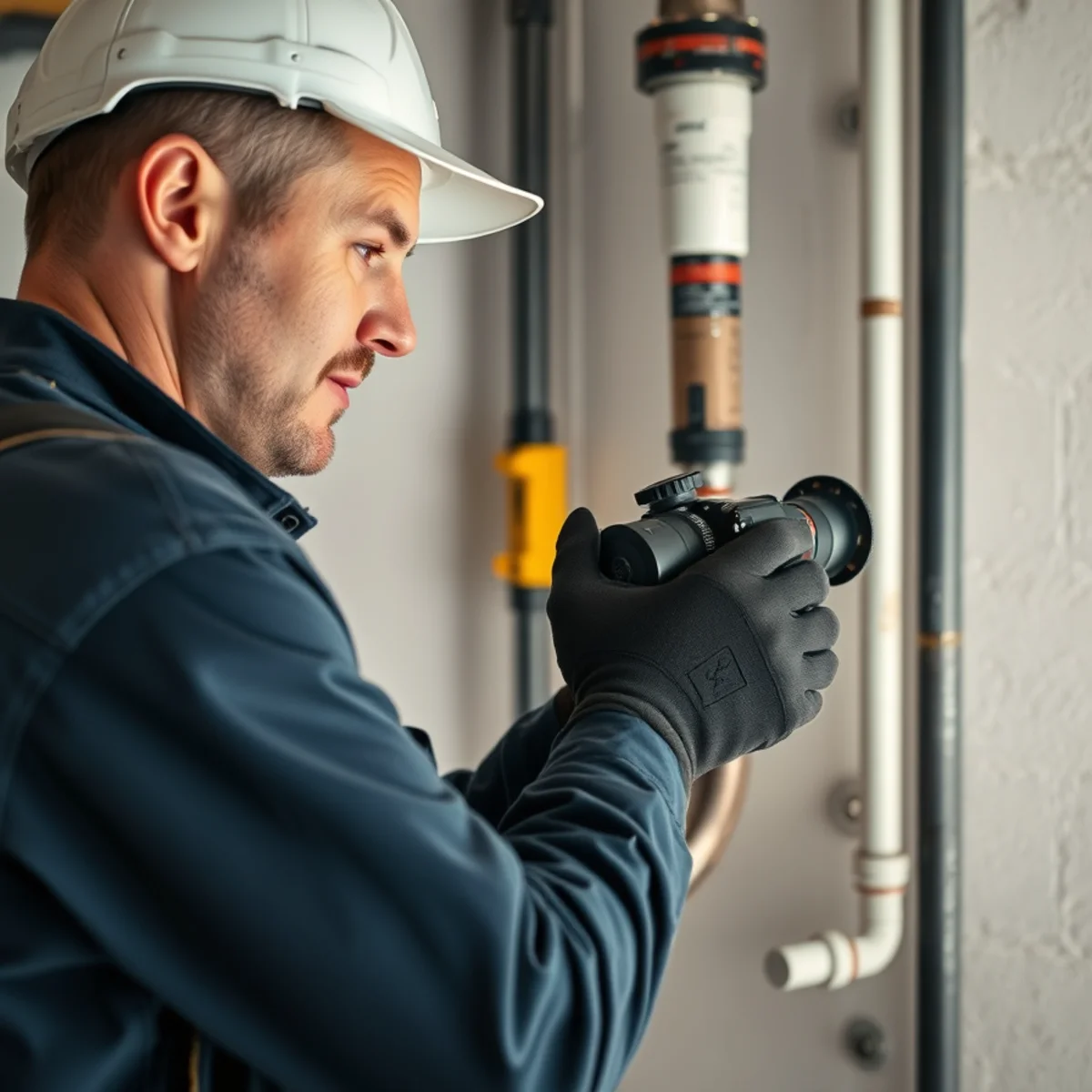
- The Snaking Trap: Why Cable Augers Only Provide Temporary Relief
- Reason 1: Invasive Tree Roots in Historic Harrisonburg Clay Laterals
- Reason 2: Karst Limestone Settling & Underground Pipe Bellies
- Reason 3: The Hard Water Grease Matrix (12–25 GPG Calcium + Cooking Fats)
- Expert Insight: Why Chemical Drain Cleaners Destroy Valley Plumbing
- How to Stop Recurring Clogs for Good: The 3-Step Permanent Solution
The Snaking Trap: Why Cable Augers Only Provide Temporary Relief
If you find yourself plunging a toilet or calling a plumber to run a mechanical snake through your drain every three to four months, you are stuck in the common 'snaking trap.' A standard motorized drain snake uses a flexible steel cable tipped with a spiral bulb or small cutting head. While effective at punching a 1- to 2-inch hole through an obstruction to get water moving again, it leaves 80% of the pipe diameter choked with stubborn debris.
- Poking a Hole vs. Cleaning the Pipe: Augers pierce through the center of a soft clog but do not scour grease, scale, or hair clinging to the interior pipe walls.
- The 60-Day Regrowth Cycle: When fibrous tree roots are punctured rather than cut flush, they drink the enriched wastewater and rapidly branch out, forming an even denser root cage within 60 to 90 days.
- False Sense of Security: Because the sink or tub drains normally for a few weeks, homeowners assume the problem is solved, allowing underlying structural defects to worsen underground.
- Long-Term Cable Abrasion: Repeatedly running aggressive steel cables through vintage cast iron or brittle clay pipe can score, gouge, and eventually crack aging pipe walls.
Facing a Plumbing Issue in Harrisonburg?
Speak directly with Héctor for honest trade advice, upfront flat-rate pricing, and fast local dispatch across Rockingham County.
Call Héctor: (512) 988-5119Reason 1: Invasive Tree Roots in Historic Harrisonburg Clay Laterals
The single most common culprit behind chronic sewer backups in established Harrisonburg neighborhoods (such as Old Town, Court Square, and South Main Street) is tree root intrusion. Homes built between 1920 and 1970 were almost universally connected to municipal sewers using vitrified clay or cast iron pipe sections laid in short 3- to 5-foot lengths.
- Mortar Seam Vulnerability: Over decades, ground vibration and soil settling cause the original cement mortar joints connecting clay pipe tiles to crumble, creating microscopic moisture gaps.
- Hydrotropic Root Attraction: Thirsty roots from mature silver maples, oaks, and river birches detect moisture vapor leaking from joints and send microscopic root hairs inside.
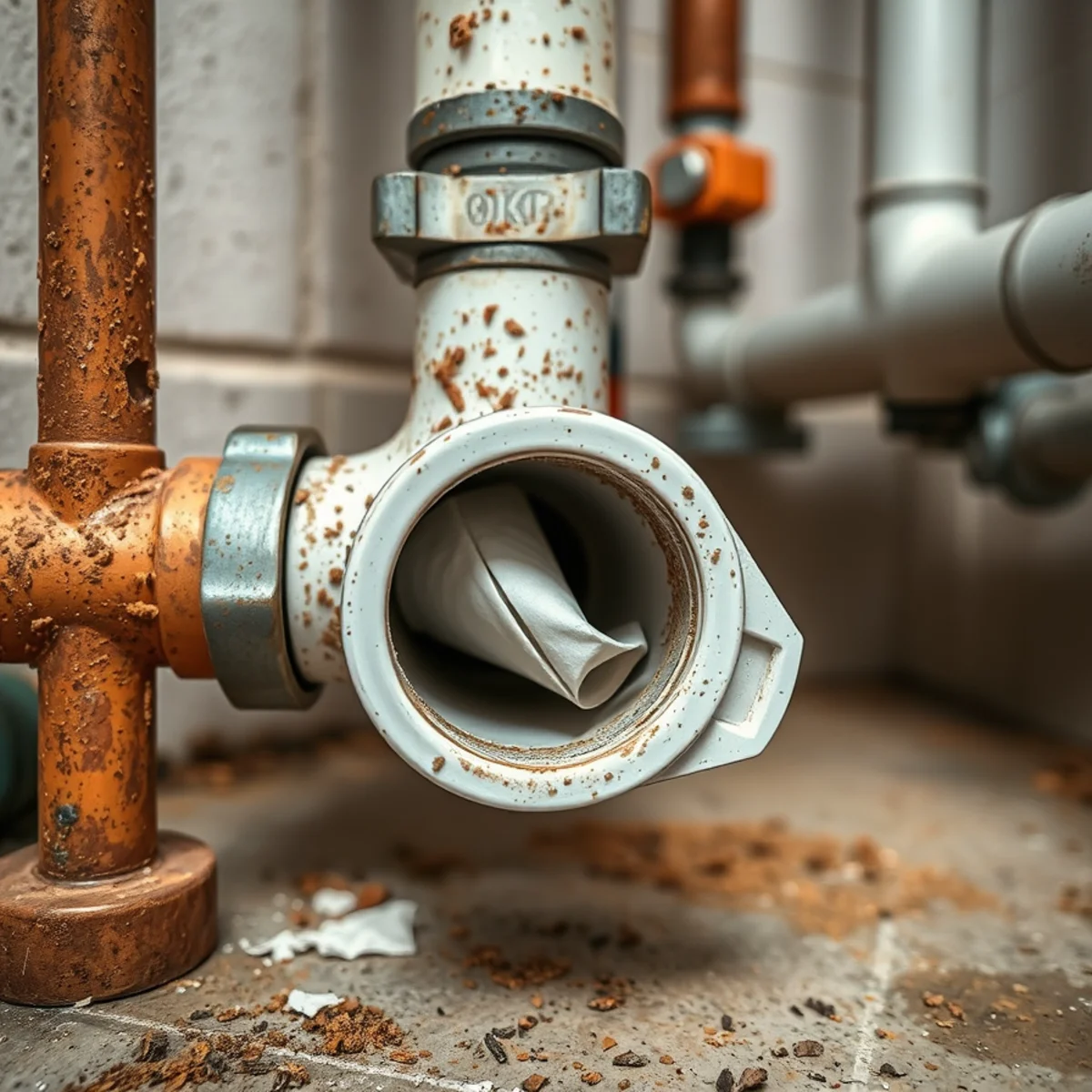
- Dense Root Ball Nets: Inside the warm, nutrient-rich sewer lateral, fine root hairs rapidly expand into thick, impenetrable mats that catch toilet paper, kitchen grease, and solid waste.
- Permanent Fix: High-pressure hydro jetting at 4,000 PSI cuts roots flush with the pipe wall, followed by trenchless cured-in-place pipe (CIPP) lining to seal joints permanently.
Reason 2: Karst Limestone Settling & Underground Pipe Bellies
The Shenandoah Valley is famous for its karst topography—porous limestone bedrock riddled with underground fissures, caves, and natural drainage channels. While geologically fascinating, karst creates substantial engineering headaches for underground plumbing.
- Uneven Subsurface Subsidence: As acidic rainwater slowly dissolves subsurface limestone, the supporting soil beneath residential sewer laterals settles unevenly.
- Creation of Pipe 'Bellies': A sewer pipe belly is a localized sag or low spot where the pipe loses its critical downward slope (minimum 1/4-inch per foot under Virginia plumbing code).
- Permanent Standing Water: Wastewater and suspended solids cannot flow freely past a belly; heavy waste, toilet paper, and fats settle into the standing puddle, solidifying into chronic dams.
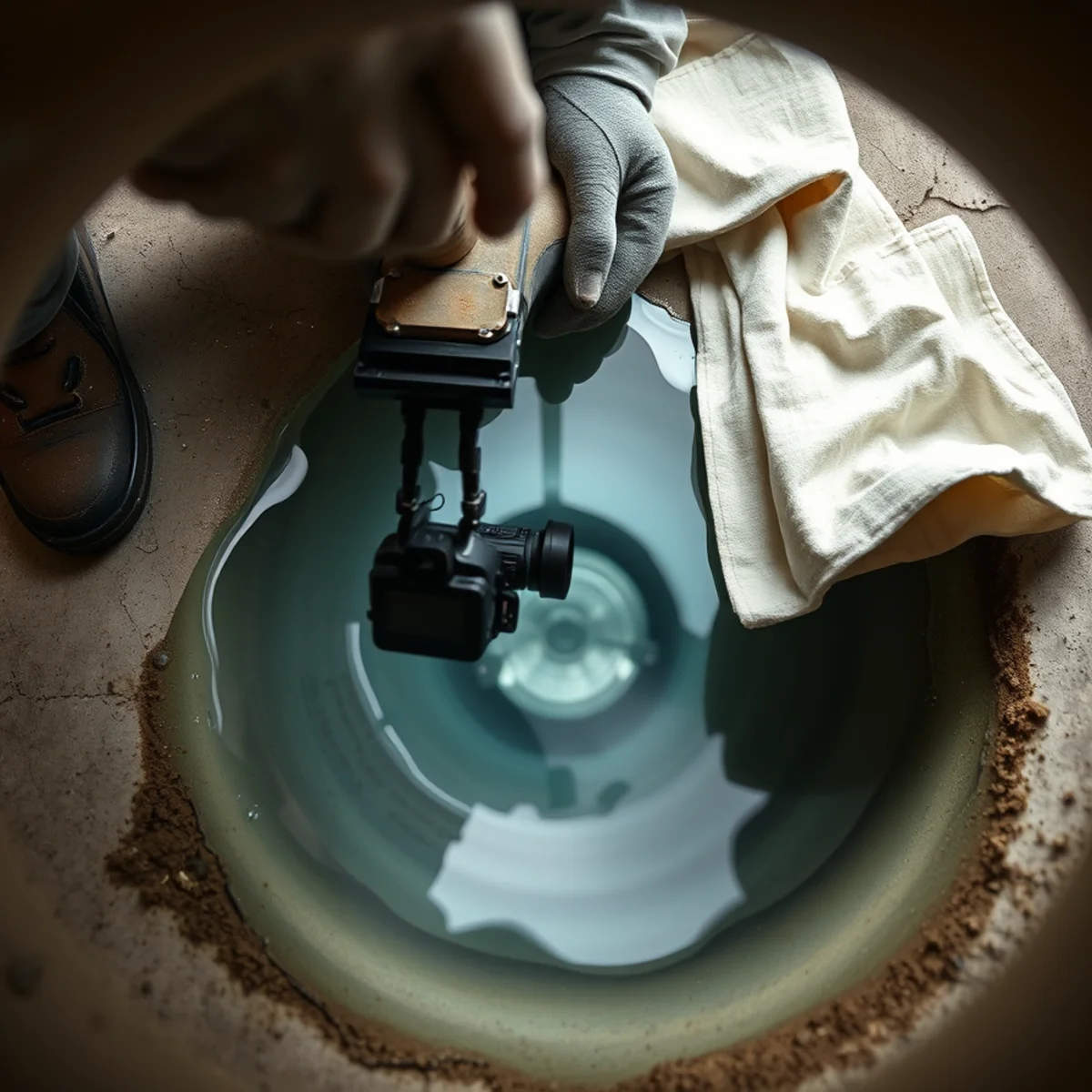
- Camera Diagnostic Verification: During a sewer video inspection, our camera lens submerges underwater in a belly and reveals accumulated sludge that returns immediately after cable snaking.
Reason 3: The Hard Water Grease Matrix (12–25 GPG Calcium + Cooking Fats)
Many homeowners believe that running hot water and dish soap down the drain liquefies cooking grease and keeps pipes clean. In reality, chemistry works against you—especially in Harrisonburg and Rockingham County, where municipal and well water carries 12 to 25 grains per gallon (GPG) of dissolved calcium and magnesium.
- The Saponification Reaction: Liquid animal fats, butter, and vegetable oils cool as they travel into cooler underground pipes. In the presence of highly alkaline calcium carbonate in Valley water, fats undergo saponification, transforming into hard, insoluble calcium stearate 'soap scum.'
- Pipe Diameter Choking: This hard waxy scale builds along the pipe perimeter in concentric rings, gradually reducing a 4-inch sewer line to a restricted 1-inch passage.
- Garbage Disposal Deception: Food disposers shred meat scraps, pasta, and vegetable trimmings into fine particles, but these starchy particles bind directly to the sticky grease matrix along the pipe bottom.
- Flushable Wipes Disaster: Synthetic non-woven wipes do not break down in water; they snag on rough calcium ridges and create massive blockages that require high-powered jetting to clear.
Expert Insight: Why Chemical Drain Cleaners Destroy Valley Plumbing
As a master plumber serving Harrisonburg for over 15 years, the most expensive mistake I see homeowners make is pouring gallons of liquid chemical drain cleaners (containing sulfuric acid or sodium hydroxide) down sluggish drains.
- Exothermic Heat Damage: Caustic chemicals generate extreme chemical heat (often exceeding 180°F to 200°F) that softens and warps thin PVC trap assemblies and melts rubber slip-joint washers.
- Corrosion of Aging Cast Iron: In older homes with cast iron or galvanized waste lines, strong acids eat away already-thinned metal bottoms, causing sudden hidden leaks inside wall cavities.
- Severe Technician Splash Hazards: When caustic chemicals fail to clear a stubborn root or grease blockage, the sink or tub remains filled with acid. Responding technicians face severe chemical splash and eye-burn hazards when dismantling traps.
- Safe Alternative: Eco-friendly bio-enzymatic drain cleaners consume organic waste naturally without generating heat or damaging municipal sewage treatment biology.
How to Stop Recurring Clogs for Good: The 3-Step Permanent Solution
Breaking the chronic clog cycle requires moving beyond reactive snaking to modern diagnostic and rehabilitation methods.
- Step 1: High-Definition Video Camera Inspection — We guide a self-leveling fiber-optic camera through your line, recording 1080p footage to identify the exact cause: tree roots, bellies, offset joints, or scale.
- Step 2: 4,000 PSI High-Velocity Hydro Jetting — Specialized rotational nozzles scour 100% of pipe walls with high-pressure water, peeling away grease layers, descaling mineral ridges, and flushing all debris out to the city main.
- Step 3: Trenchless CIPP Epoxy Relining — For pipes cracked by tree roots or age, we install a seamless epoxy liner that creates a joint-free 'pipe within a pipe' backed by a 50-year structural lifespan without tearing up your lawn.
Master plumber with over 15 years experience diagnosing water leaks, well pump systems, water heaters, and sewer lines across Harrisonburg and Rockingham County, Virginia.
Related Plumbing Services
Related Service Communities
Trusted by Homeowners Across the Shenandoah Valley
Frequently Asked Questions: Why Your Drains Keep Clogging (and How to Stop It)
Why does my kitchen sink drain slowly even after I run the garbage disposal?
A garbage disposal only shreds solid food particles; it does not dissolve oils, fats, or starchy debris. Over time, grease and food starches coat the interior of the 1.5-inch or 2-inch drain arm beneath your floor, constricting drainage regardless of how well the disposal motor spins.
How does hydro jetting differ from mechanical cable snaking?
Mechanical snaking uses a steel auger cable to punch a temporary 1- to 2-inch hole through an obstruction. Hydro jetting uses high-pressure water (up to 4,000 PSI) delivered through 360-degree rotating nozzles to completely scour grease, mineral scale, and root mats from pipe walls, restoring original flow diameter.
Can tree roots be permanently stopped from growing into my sewer line?
Yes. While chemical root treatments and cable snaking provide temporary relief, trenchless CIPP (cured-in-place pipe) lining creates a seamless, continuous structural epoxy pipe inside your old lateral, eliminating the mortar joints and cracks where roots enter.
What should I never put down my drains in Harrisonburg, VA?
Never pour cooking grease, bacon fat, coffee grounds, eggshells, fibrous vegetable peels (celery, potato skins), or paint down your drains. In bathrooms, never flush 'flushable' wet wipes, paper towels, facial tissues, or feminine hygiene products.
How often should I schedule preventative sewer line cleaning for an older home?
For homes in historic Harrisonburg with mature trees and original clay or cast iron laterals, we recommend scheduling preventative hydro jetting or camera inspection every 18 to 24 months to keep lines free of root intrusion before a catastrophic backup occurs.
Need Immediate Plumbing Assistance in Harrisonburg?
Speak directly with Héctor today. We offer upfront flat-rate estimates and 24/7 priority emergency dispatch.
Call (512) 988-5119 Now